

By: Feso Ola
Growing up in Nigeria, Ayotomiwa Akintode learned early that language could either bring people closer to opportunities or quietly shut them out.
Today, thousands of kilometres away in the United States, she is using that understanding to ensure that no one feels invisible when important public messages are shared.
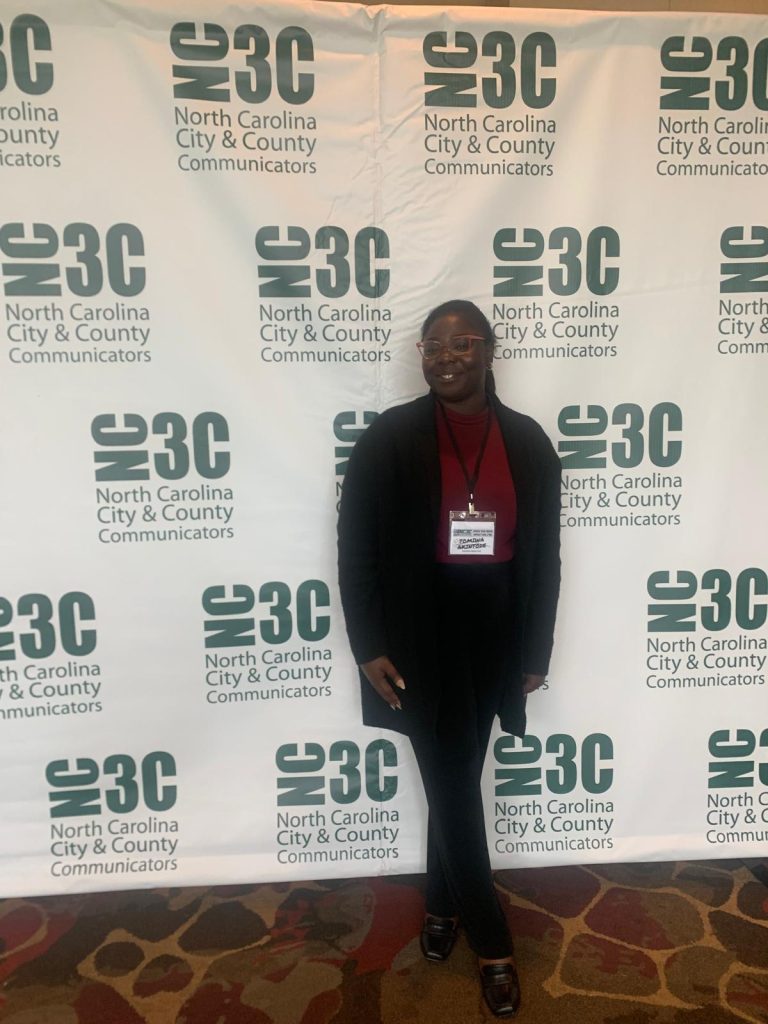
Ayotomiwa Akintode, fondly called Tomiwa by family and friends, now works as a Marketing Communications Specialist in Charlotte, North Carolina, one of America’s largest and most culturally diverse cities. Her mission is simple but deeply impactful: ensuring that public information truly reaches everyone it is meant to serve.
For Tomiwa, communication is more than sending out messages it is about making people feel seen.
“When I work on a project, I think about the person who sees a flyer and immediately feels like it wasn’t made for them,” she said.
“That feeling of being overlooked in messages that are supposed to serve you has real consequences. People don’t seek help if they don’t believe the help is meant for them.”
Her approach has gradually distinguished her in the public communication space.
Rather than simply designing campaigns, Tomiwa asks questions many others overlook: Who is not being reached? Why are they not connecting with the message? What assumptions are being made about the audience?
In the often rigid environment of government institutions, such questions can challenge conventional thinking. But for Tomiwa, they are necessary to make communication meaningful.
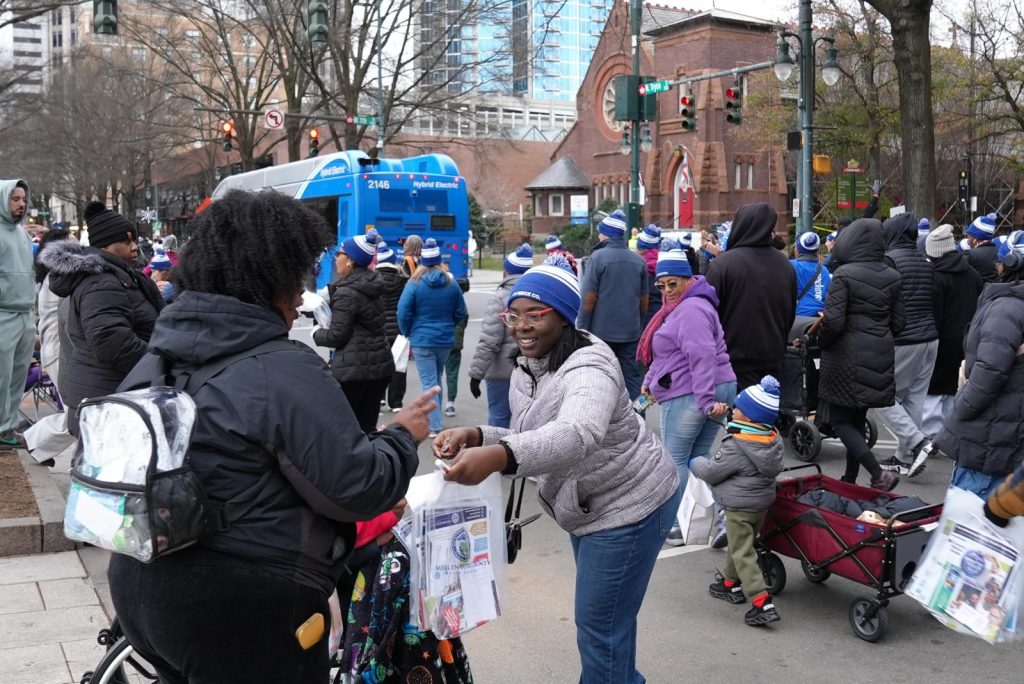
One of the most notable projects she contributed to was the Foster Parent Awareness Campaign in Mecklenburg County, an initiative aimed at connecting vulnerable children with families willing to provide them with loving homes.
The campaign later earned recognition from the City-County Communications and Marketing Association.
Despite the prestigious recognition, Tomiwa says the real impact went beyond awards.
“The most important outcome was the families who stepped forward,” she explained. “We intentionally reached people who had never seen themselves represented in campaigns like that before.
That meant carefully considering the images we used, the language we chose, and where we shared the message.”
Beyond her professional work, Tomiwa continues to strengthen her expertise through education and research.
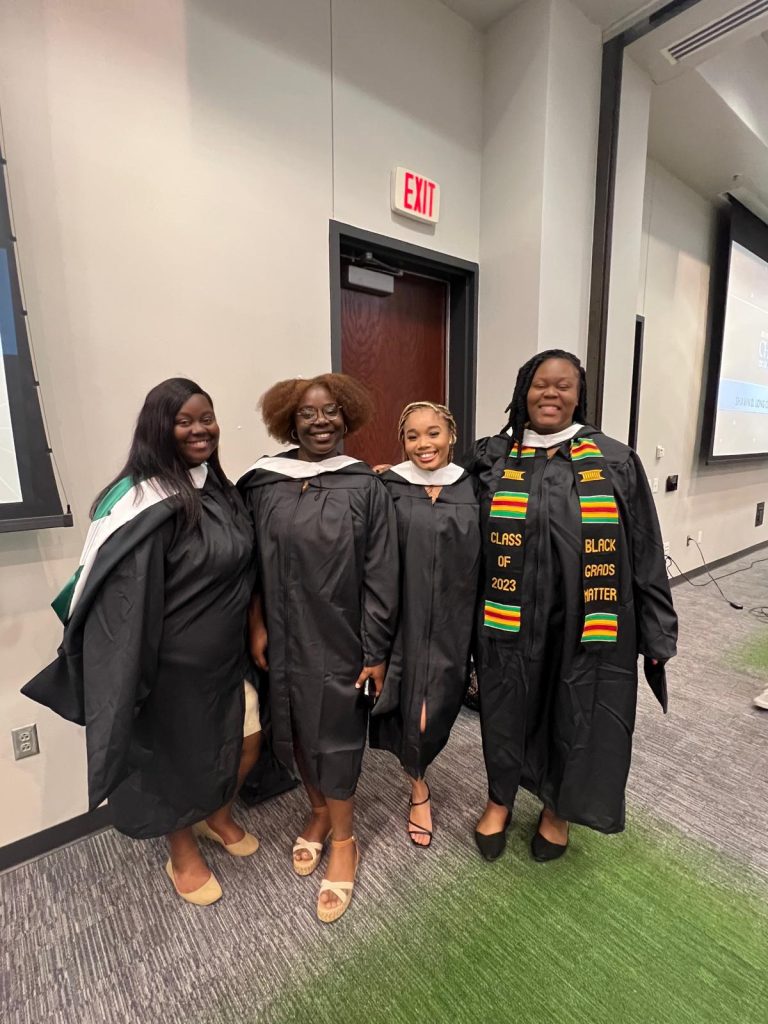
She holds both Bachelor’s and Master’s degrees in Communications and is currently completing a Master of Business Administration (MBA).
Her academic interest often reflects her personal story.
In December 2024, she co-authored a peer-reviewed research article published in the Nigerian Journal of Literacy and English Education.
The study examined how bilingual students navigate the gap between their native languages and English in classroom settings, an experience she understands deeply from growing up between Yoruba and English.
“I lived that gap,” she said. “I know what it feels like to receive a message in a language you speak, but not in a way that truly speaks to you. That experience shapes how I approach communication today.”
Her growing influence in the field recently earned her an invitation to speak at her alma mater, Troy University, where she shared insights from her career with students aspiring to work in marketing communications.
Yet, despite her international exposure and professional accomplishments, Tomiwa remains firmly rooted in the values she carried from Nigeria.
When asked what drives her work, her response is immediate.
“Service,” she said. “When you take the time to truly engage with people, not just send messages at them—you’re telling them they matter.”
For Tomiwa, her Nigerian upbringing remains the foundation of her perspective.
“Nigeria gave me my ears,” she reflected. “It taught me to listen not just to what people say, but also to what they don’t say. In communication, that makes all the difference.”
Today, through thoughtful storytelling and inclusive messaging, Ayotomiwa Akintode continues to prove that sometimes the most powerful form of public service is simply making sure every voice is heard.
