


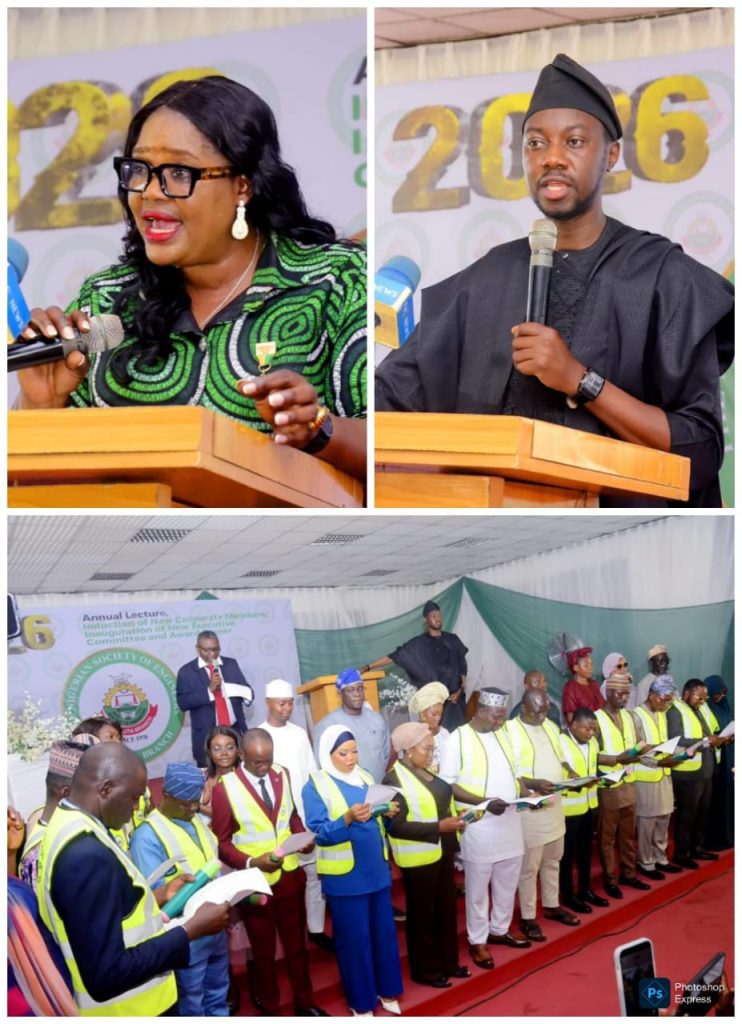
The Nigerian Society of Engineers (NSE), Abeokuta Branch, has called for urgent reforms in Nigeria’s engineering education, digital practice, and talent development systems as part of efforts to secure a sustainable national future.
This formed the thrust of the 2026 Annual Lecture of the Branch, held in Abeokuta, where stakeholders drawn from academia, industry, government, and the professional community gathered to reflect on the future of engineering in Nigeria.
Delivering the keynote lecture titled “Repositioning Nigeria’s Engineering Education, Digital Practice and Talent for a Sustainable Future,” Professor Christianah O. Ijagbemi, a Professor of Mechanical Engineering (Energy and Environment) at the Federal University of Technology, Akure, described engineering as central to Nigeria’s development challenges.
She noted that the country’s economic volatility, infrastructure decay, environmental pressures, and rapid urbanization are deeply rooted in engineering systems that require urgent realignment. According to her, many of Nigeria’s persistent development problems—ranging from unreliable power supply and deteriorating transport networks to flooding and fragile digital systems—are fundamentally engineering issues embedded within political and institutional frameworks.
Prof. Ijagbemi argued that while Nigeria has produced highly competent engineers who excel globally, the national system remains misaligned with contemporary technological realities and sustainability demands.
She emphasized that repositioning does not imply discarding existing institutions but rather adjusting orientation, incentives, and structures to align with global standards and national priorities.
The lecturer identified three strategic shifts required to reposition the profession: transitioning from static curricula to adaptive learning systems, moving from analogue-dominant practice to digitally integrated engineering, and shifting from passive talent production to active talent mobilization.
On engineering education, she observed that although Nigeria produces large numbers of graduates annually, the system remains overly theory-centric and compliance-driven, with limited emphasis on digital fluency, systems integration, sustainability, and real-world problem-solving. She stressed the need for outcome-based education, structured industrial exposure, and deeper collaboration between universities and industry.
Addressing digital transformation, Prof.Ijagbemi described digital practice as the “new grammar of engineering,” noting that modern engineering worldwide is driven by modelling, simulation, data analytics, automation, and integrated project delivery systems. She warned that limited digital integration in Nigeria places local engineers at a structural disadvantage in global and regional markets.
On talent development, she highlighted what she termed the “missing middle” between graduation and professional maturity, explaining that weak mentorship structures, poor early-career supervision, and limited structured development pathways contribute to brain drain and brain waste. She called for coordinated mentorship programmes, supervised practice frameworks, and strategic continuing professional development initiatives.
Sustainability, she stressed, must become a core design filter rather than an optional consideration, particularly in the face of climate change, urban expansion, and infrastructure pressures.
She urged engineers to embed lifecycle thinking, resilience modelling, and environmental responsibility into everyday practice.
The lecture concluded with a ten-year roadmap recommending curriculum reforms, stronger regulatory alignment by the Council for the Regulation of Engineering in Nigeria (COREN), enhanced industry participation, digital standards in public procurement, and the establishment of a coordinated national engineering capability forum.
Earlier in his welcome address, the Chairman of NSE Abeokuta Branch said the annual lecture, induction of new corporate members, inauguration of new executives, and award dinner marked a significant milestone for the Branch.
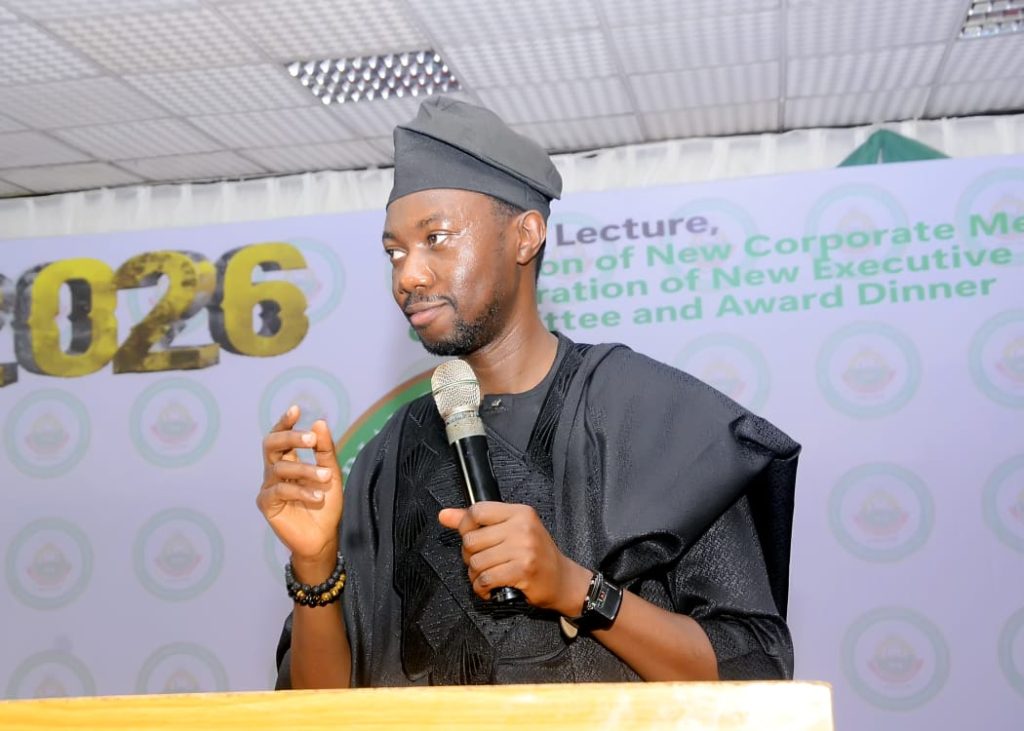
He described the event as a celebration of professional excellence, leadership continuity, and renewed commitment to national development.
He noted that the theme of the lecture was timely and visionary, challenging engineers to rethink how they prepare future professionals, embrace digital transformation, and nurture talent in line with global realities.
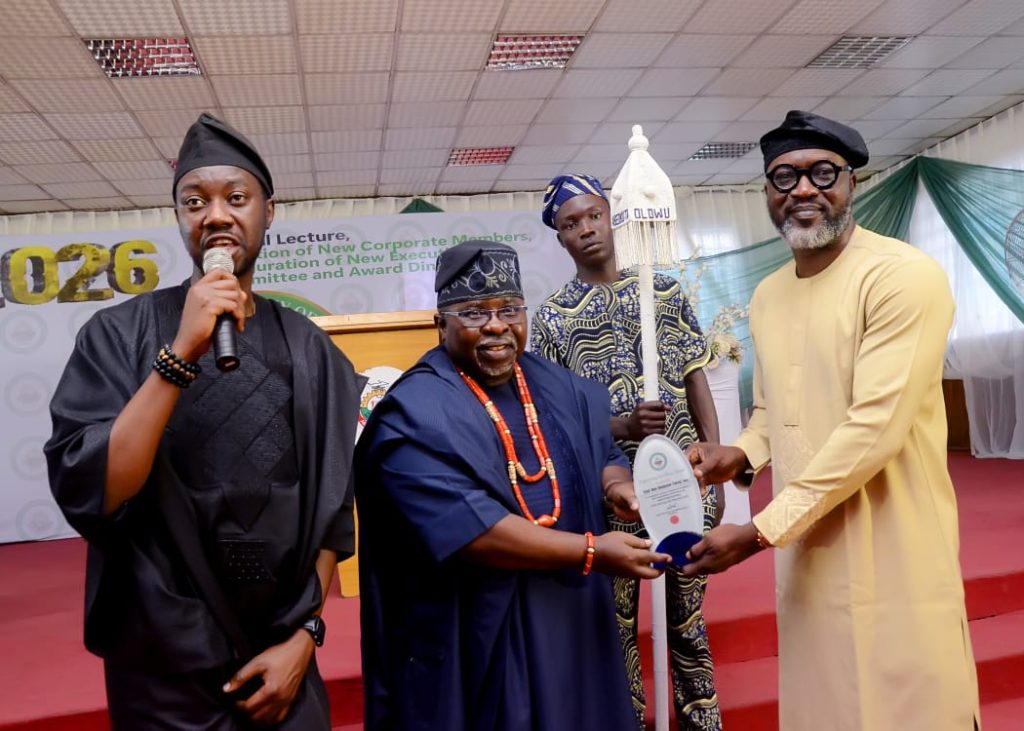
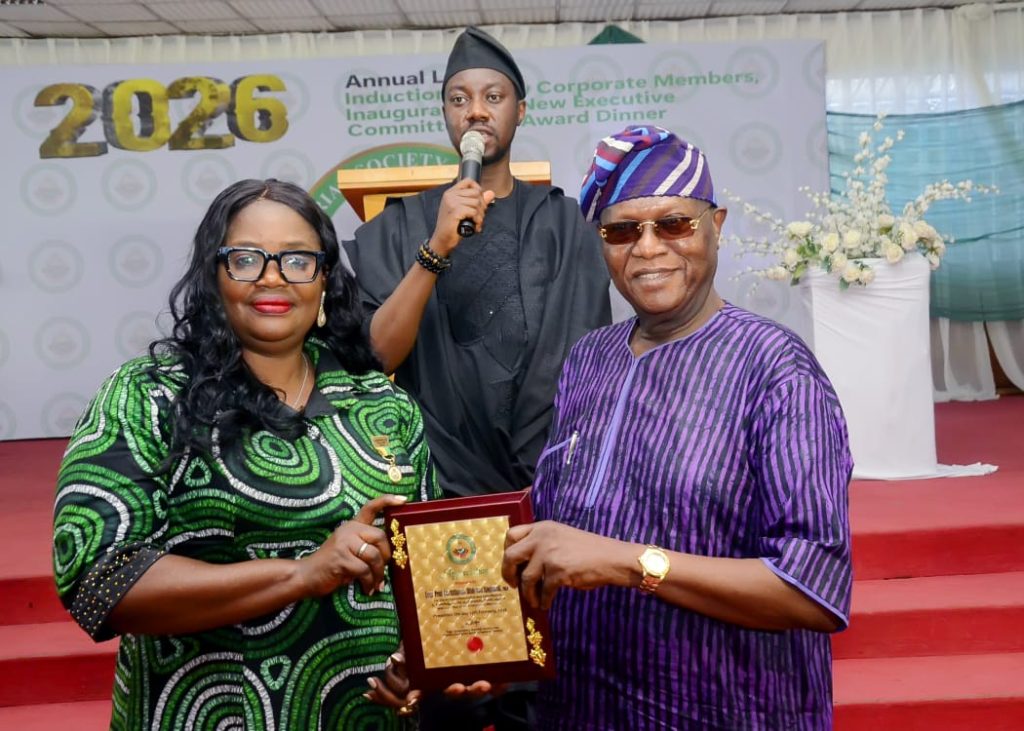
The event also featured the induction of new members into the NSE Abeokuta Branch, while awards were presented to distinguished personalities in recognition of their contributions to the engineering profession and national development.
