


In a bold fusion of heritage, artistry and forward-looking cultural diplomacy, promoters of Egbaliganza have unveiled plans for a monumental drum-shaped edifice valued at ₦350 million, setting the tone for a renewed global conversation around African identity and creative expression.
The proposed cultural landmark, to be situated in Abeokuta, is conceived as both a symbolic and functional tribute to the enduring role of drums in African civilisation—where rhythm has long served as a medium of communication, spirituality and communal memory.
Egbaliganza, a cultural fashion and enterprise initiative rooted in Egba tradition, forms a contemporary extension of the revered Lisabi Festival—an annual celebration honouring Lisabi Agbongbo Akala, the 18th-century hero whose resistance secured the independence of the Egba people.
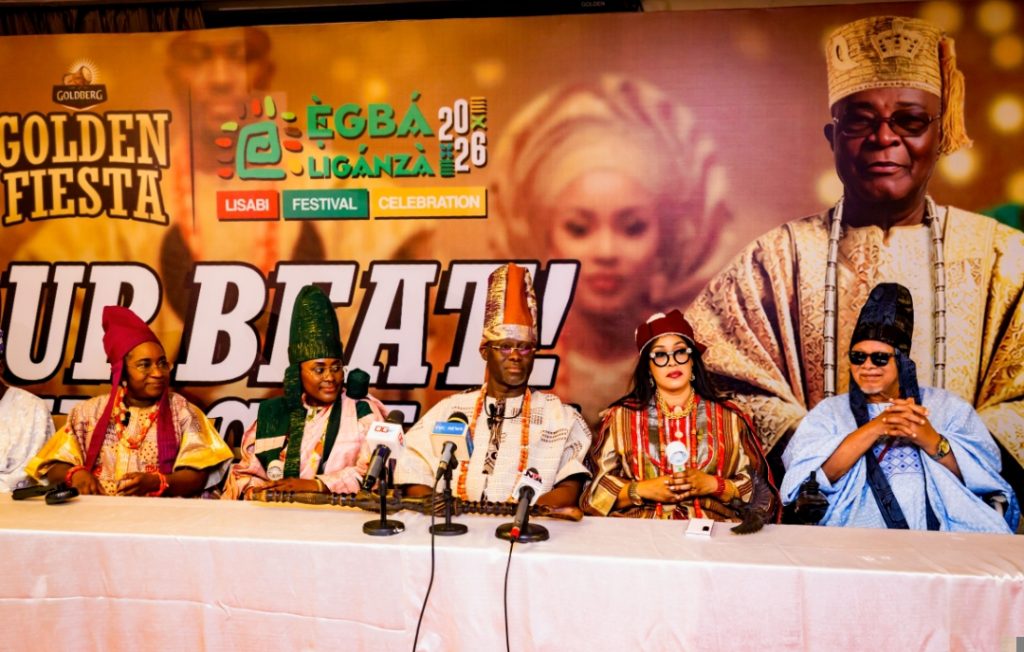
Speaking at a media briefing ahead of the festival, promoter who is also the Aare of Egbaland, Aare (Dr). Lai Labode described the drum monument as a cultural investment designed to transcend aesthetics and serve as a unifying emblem for Africans at home and in the diaspora.
According to him, the first phase of the project will focus on the construction of the iconic drum structure, while complementary infrastructure will be developed progressively. He noted that the design will prioritise sustainability, incorporating renewable energy solutions and environmentally responsible materials.
“The drum is not just an object; it is a language, a heritage symbol,” Labode said. “This monument will stand as a cultural lighthouse—celebrating our traditions while embracing sustainability and innovation.”
Beyond its architectural ambition, the project is envisioned as a tourism and creative industry catalyst, capable of attracting global visitors and stimulating local enterprise. It also reinforces Egbaliganza’s broader mission of using fashion as a vehicle for cultural preservation and intergenerational continuity.
Organisers emphasised that traditional textiles and attire remain powerful markers of identity, pointing to iconic African fabrics such as Kente as examples of how fashion encodes history, pride and storytelling.
As part of its 2026 programme, Egbaliganza will introduce “Irin Akinkanju,” a formal celebration dedicated to honouring distinguished sons and daughters of Egbaland whose contributions have shaped society and projected Egba heritage onto national and global stages.
Providing deeper insight into the philosophy behind the initiative, founder Aare (Dr)) Lai Labode described the relationship between Egbaliganza and the Lisabi Festival as symbiotic—one rooted in history, the other projecting that legacy into contemporary relevance.
“Lisabi is the root; Egbaliganza is the fruit,” he said. “The root preserves memory, while the fruit carries the seed to new audiences, new markets and new cultural conversations.”
This strategic alignment has already earned the festival formal recognition from the Federal Ministry of Arts, Culture and the Creative Economy, further positioning it as a national cultural asset with growing international appeal.
With participation expected from over 50 countries and a diaspora-focused investment framework projected at $2 million, Egbaliganza is steadily redefining how indigenous African culture can evolve into a structured, economically viable creative ecosystem.
Scheduled to climax on March 28, the event will feature signature segments such as the Walk of Heroes and Walk of Kings—ceremonial showcases that honour legacy, leadership and continuity within Egba society.
In its totality, the drum monument and the broader Egbaliganza vision signal a shift from cultural preservation as mere nostalgia to culture as infrastructure—dynamic, exportable and central to Africa’s place in the global creative economy.
